Hiking Devil's Thumb: Your Guide to an Epic Banff Scramble
For adventurers seeking unparalleled panoramic vistas and a thrilling challenge in the heart of the Canadian Rockies, the Devil's Thumb scramble in Banff National Park stands out as an iconic objective. Nestled above the world-famous Lake Louise, this route offers a captivating blend of popular day hikes, historic teahouses, and a hands-on ascent to one of Banff's most rewarding summits. It’s more than just a hike; it’s an immersive journey through a landscape carved by glaciers, culminating in breathtaking views that stretch across turquoise lakes and an endless sea of jagged peaks.
Unveiling the Devil's Thumb Scramble: An Overview
The Devil's Thumb is not a standalone trail but rather an exciting side adventure, typically undertaken as an extension of a longer, classic Lake Louise loop. This scramble departs from the well-trodden paths that lead to the Big Beehive, a prominent bump overlooking both Lake Agnes and Lake Louise. What makes the Devil's Thumb so special is its ability to transform a scenic hike into a proper mountain experience, involving mild exposure and requiring careful foot and hand placement. It’s perfect for those with a good level of fitness and a craving for an elevated perspective of one of Canada's most cherished national parks.
The route itself is an unofficial climber's trail, meaning it's not maintained to the same standard as designated hiking trails. This adds to its allure for experienced hikers, but also underscores the necessity of strong route-finding skills. The reward? Uninterrupted, sweeping views of Lake Louise, Lake Agnes, and the surrounding glaciers, a perspective truly earned with every step.
The Grand Loop: Integrating Teahouses and Glaciers
Most adventurers conquer the Devil's Thumb scramble in Banff National Park as part of a magnificent full-day loop that incorporates several of the region's most famous trails. This loop typically includes the charming Lake Agnes Teahouse, the impressive Big Beehive, and the stunning Plain of Six Glaciers Teahouse, all connected by the Highline Trail. This holistic approach ensures a day packed with diverse scenery, from lush forests and serene lakes to ancient glaciers and rugged alpine terrain. For more on this comprehensive journey, consider exploring Devil's Thumb Loop: Teahouses, Beehive & Glacier Views.
Starting Your Ascent: To Lake Agnes or Plain of Six Glaciers?
The beauty of this loop is its flexibility in starting points. Both routes offer incredible experiences, and your choice might depend on your preference for morning light or desired flow:
- Via Lake Agnes Teahouse: Many choose to start by heading to the Lake Agnes Teahouse. This popular trail gradually gains elevation, passing Mirror Lake before reaching the picturesque teahouse. From here, you can continue up to the Big Beehive, which provides the initial breathtaking overview of both lakes. This path generally offers a gentler warm-up before the more strenuous scramble.
- Via Plain of Six Glaciers Teahouse: An alternative is to start by circling Lake Louise and heading into the basin of the Plain of Six Glaciers. This trail winds through the valley, offering close-up views of the glaciers feeding Lake Louise. You'll reach the Plain of Six Glaciers Teahouse, nestled in a dramatic setting. From here, you'd look for the Highline Trail to ascend towards the Beehive. Some prefer this start to photograph the glaciers in the early morning light.
The Highline Trail: Connecting the Iconic Teahouses
The Highline Trail is the critical link that transforms two separate teahouse hikes into one cohesive and epic loop. If you start from the Plain of Six Glaciers, this trail will lead you steeply upwards, climbing to the Big Beehive ridge. If approaching from Lake Agnes, the Highline Trail offers a scenic descent or connection point. It's a key segment that provides varied terrain and continuous awe-inspiring views, setting the stage for the ultimate adventure.
Mastering the Scramble: Route-Finding and Safety on Devil's Thumb
This is where the true adventure of the Devil's Thumb scramble in Banff National Park begins. While often referred to as a "hike," the Devil's Thumb involves sections of Class 2 scrambling, meaning you'll need to use your hands for balance and upward propulsion. It's crucial to understand that this is not a well-marked, beginner-friendly trail.
Navigating to the Summit
The climber's trail to Devil's Thumb branches off from the main Big Beehive trail. Specifically, when you are coming from the Plain of Six Glaciers and reaching the Beehive overlook, the Devil’s Thumb trail will be to your left where the main trail splits. If you're coming from the Lake Agnes Teahouse and have reached the Big Beehive gazebo, you'll need to double back slightly or look for the faint path extending along the ridge.
The initial section follows a distinct path along a ridge, offering incredible views. However, the path eventually leads back towards the basin of glaciers you might have just left. The most challenging part before the summit push is typically navigating a substantial shale slide. This loose, unstable rock requires careful footwork and patience. It's vital to stay on the established climber's path, as getting off-track into adjacent cliffs could lead to extremely dangerous and potentially fatal situations without proper climbing experience and gear.
Key Route-Finding Tips:
- Look for Cairns: While not official, small rock cairns often mark the best path. However, don't blindly follow them, as misplaced cairns can lead astray.
- Follow the Path of Least Resistance: The most trodden path is usually the safest and most efficient. Look for signs of wear on the rock and earth.
- Use a Topographic Map and GPS: Carry a detailed map and a GPS device with the route pre-loaded. This is invaluable for verifying your position, especially in areas with poor visibility or confusing terrain.
- Turn Back if Unsure: If the path seems too difficult, too exposed, or disappears, it’s always best to retrace your steps until you find the correct, safer route. Pushing through uncertainty can lead to serious trouble.
Rewarding Vistas: What Awaits at the Summit
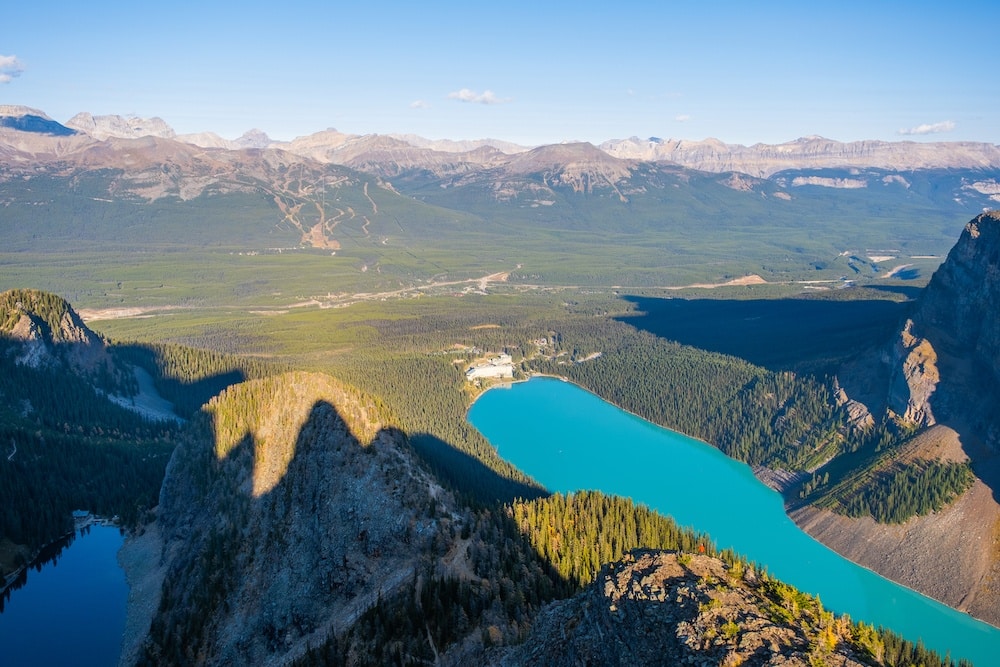
The effort required for the Devil's Thumb scramble in Banff National Park is handsomely rewarded at the summit. From this elevated perch, you are treated to one of Banff's most iconic panoramic views. You'll witness the stunning contrast of the vibrant turquoise of Lake Louise with the deep sapphire of Lake Agnes, both visible simultaneously. Beyond them, the majestic Victoria Glacier cascades down from Mount Victoria, and the surrounding peaks of the Canadian Rockies stretch out in an unending panorama. It's a view that truly encapsulates the wild beauty of this UNESCO World Heritage Site, offering a unique perspective rarely experienced by casual hikers. Many claim these are the best views in the Lake Louise area. To truly appreciate the scope, explore more about Conquer Devil's Thumb: Banff's Best Views & Lake Louise Scramble.
Essential Tips for Conquering Devil's Thumb
Embarking on the Devil's Thumb scramble requires careful planning and preparation to ensure a safe and enjoyable experience.
- Physical Fitness: This is a challenging full-day hike with significant elevation gain (over 1000m / 3200 ft) and scrambling. Ensure you have excellent cardiovascular fitness and stamina.
- Proper Gear:
- Sturdy Hiking Boots: With good ankle support and excellent grip for loose terrain and scrambling.
- Layers of Clothing: Mountain weather can change rapidly. Bring moisture-wicking base layers, a warm mid-layer (fleece or down), and a waterproof/windproof outer shell.
- Rain Gear: As highlighted in the reference, summer storms can appear quickly. A good rain jacket and pants are essential. Dry bags for electronics are also highly recommended.
- Plenty of Water: At least 2-3 liters per person.
- High-Energy Snacks: Fuel for a long day.
- Navigation Tools: Map, compass, and a fully charged GPS device or smartphone with a reliable offline map app.
- First-Aid Kit: For minor injuries.
- Sun Protection: Hat, sunglasses, sunscreen.
- Bear Spray: Always recommended in Banff National Park. Know how to use it.
- Weather Awareness: Check the forecast diligently, but be prepared for unexpected changes. Clouds can roll in, and temperatures can drop significantly, especially at higher elevations. Never hesitate to turn back if conditions deteriorate.
- Start Early: This is a long day (8-10+ hours for the full loop with the scramble). Starting at dawn gives you ample time, especially if you want to enjoy the teahouses and summit views without rushing.
- Leave No Trace: Pack out everything you pack in. Stay on designated trails as much as possible, especially during the scramble, to minimize erosion.
- Hike with a Partner: Due to the route-finding challenges and remote nature of the scramble, it's always safer to hike with at least one companion.
The Devil's Thumb scramble in Banff National Park is an unforgettable journey for those ready to embrace its challenges. It offers a unique vantage point, a sense of accomplishment, and memories that will last a lifetime, solidifying its status as a must-do adventure for any seasoned hiker visiting the Lake Louise area.
